

Introduction
Modern regenerative medicine has, in recent years, entered a far more sophisticated and targeted phase beyond traditional stem cell applications. At the center of this phase lies autologous exosome therapy.
Autologous exosome therapy is an advanced biological repair approach derived from the patient’s own biological material, offering a high safety profile and directly targeting cell-to-cell communication.
Autologous Approach and Safety
The term “autologous” indicates that all biological material used in treatment belongs exclusively to the patient.
As a result:
- Immune incompatibility risk is eliminated.
- The risk of allergic reactions is minimized.
- There is no risk of biological rejection.
With these characteristics, autologous exosome therapy is widely recognized as one of the safest applications in regenerative medicine.
Difference Between Exosomes and Stem Cells
Stem Cell Therapy
Live cell material is administered. The cell itself is transferred.
Exosome Therapy
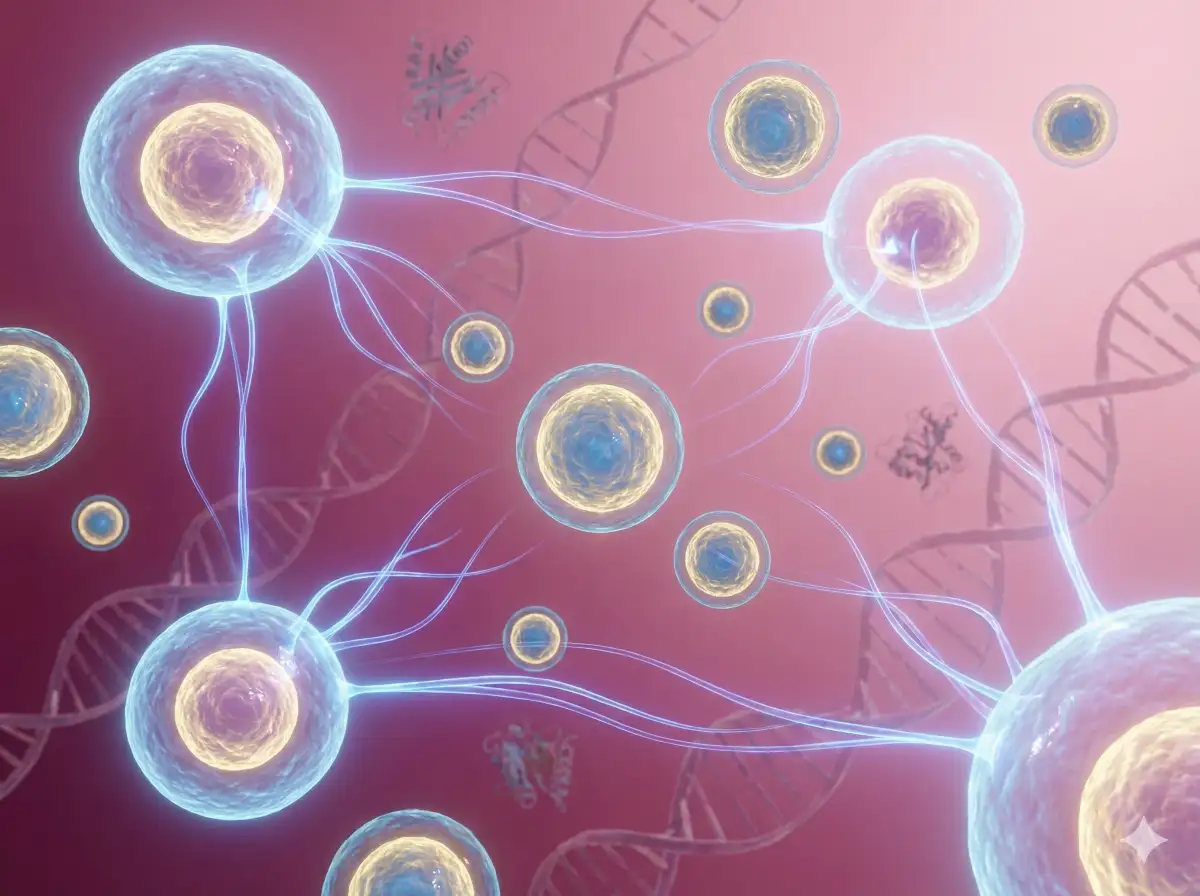
Exosomes use nano-biological signals secreted by stem cells to direct cellular activity.
Process
Biological Sample Collection
A biological sample is collected from the patient.
Laboratory Processing
Processed in GMP-certified laboratories.
Exosome Production
Within 4–6 weeks, patient-specific autologous exosomes are obtained.
Application
They are re-administered to the same patient. This process is fully personalized.
Efficacy and Potency
Cellular Regeneration
Accelerates cellular renewal and improves tissue quality.
Inflammation Regulation
By regulating inflammation, it supports the natural healing process.
Effect at the Cellular Level
This effect is not superficial; it occurs at the cellular level.
The Importance of Water Intake
Exosomes travel between cells via microcirculation. For this reason, adequate water intake is critical to treatment success.
Conclusion
The future lies not in the cell itself, but in cellular communication.
Autologous exosome therapy represents the future of regenerative medicine. Derived from the patient’s own biological material, this treatment holds a unique position in terms of safety and efficacy.
Learn More About Autologous Exosomes
Schedule a free pre-consultation to find out whether autologous exosome therapy is suitable for you.